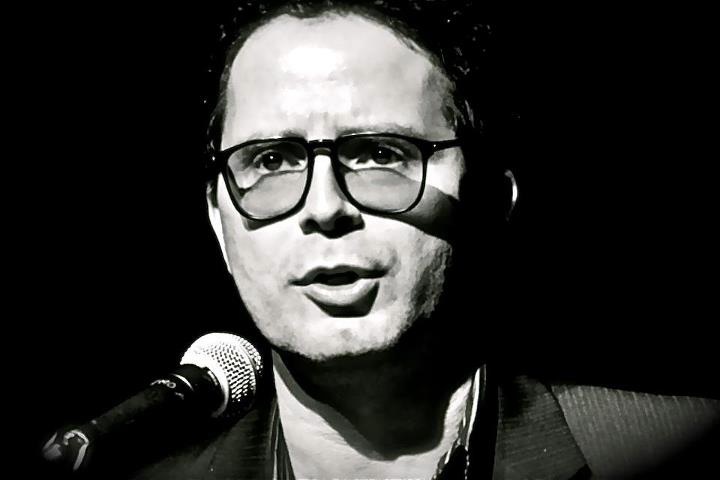
Friday, February 26, 2010

Cuantos Años tiene Andrés?

Greetings my friends,

I recently posted a few communiqués from the Association of Indigenous Councils of Northern Cauca, ACIN, about the senseless murder of Andrés Muelas, a young indigenous activist and member of ACIN's Communication Team, Tejido de Comunicación. His assassination last weekend in cold blood, as he was riding home on his motorcycle, has left a major scar on his community and on the people of Northern Cauca. It is still unclear who was responsible for his untimely death, but clearly, it is just the latest instance of extreme intolerance practiced by dark forces that will stop at nothing in trying to instill fear in a courageous community. It is the latest attack against an incredible historical process of resistance to militarization, displacement and racism. The murder of Andrés Muelas is an attack on all those who would dare stand up and challenge injustice.

Below I share with you a heartfelt remembrance of Andrés Muelas, written by a good friend, Manuel Rozental, who himself has been the victim of this profound intolerance that continues to pollute the Colombian countryside, despite righteous claims by the current government about "democratic security." It is in Spanish.

MAMA**************

Volveras a mi huerto y a mi higuera
por los altos andamios de las flores
pajareará tu alma colmenera...
....que tenemos que hablar de muchas cosas
compañero del alma.....compañero
Elegía a Ramón Sijé
Miguel Hernández

Escribo con tanta amargura y desesperación que aspiro a que no salgan las palabras para ser justo con lo que siento y compartimos. Hablo porque el silencio es peor que esto que pueda decir mal, innecesario e insuficiente.

Desde cuando lo conocí, Andres Muelas era maravilloso. Lo recuerdo llegando a las reuniones, entrando al Tejido, aportando en una asamblea. Lo recordamos todas y todos. Qué sonrisa tan bella, tan constante, tan sincera. Qué mirada transparente, sedienta, curiosa y negra de luz. Qué ganas de saber, de entender, de hacer cosas. Qué entusiasmo tan bello y ejemplar. Andrés Muelas, puro futuro, puro libertad, pura belleza, puras ganas de vivir por su pueblo desde su pueblo. Qué juventud tan fresca y abierta. Su manera tan inmensa de abrirse al debate, de esperar y recoger, de reflexionar a la vista. Qué sinceridad y de qué manera ingenua y sana aportaba siempre su opinión. Cómo me resulta de imposible aceptar que está muerto, que lo mataron, que no lo vamos a volver a ver jamás. JAMAS. Y yo ahora lo estoy viendo en este espejismo doloroso que se me viene a la memoria. Anoche lo estaba escuchando en sueños entre sollozos.

Uno preguntaba cuantos años tiene Andres? No tanto para conocer la respuesta, sino como una manera de afianzar el porvenir. Cuantos años tiene por delante Andres Muelas. Apenas empieza y tiene la energía, las ganas, las cualidades de un maestro, de un líder, de un compañero cuya sed de saber y hacer le ponen todos los años por delante. Cuantos años de futuro tiene Andre Muelas para darle a su pueblo su enorme capacidad, para florecer como lo havenido haciendo. Para acabar de asombrarnos a partir de lo que ya ha logrado y lo que anuncia.

Pero nos lo mataron. Se lo mataron a sus padres, a su resguardo, a sus amistades, a su pueblo. Nos mataron a Andrés. Nos condenaron a una pregunta que se nos revienta en los huesos de rabia y amargura. Una perra pregunta injusta y horrenda. De un disparo en esa cara que debería haberse protegido, en el rostro de la sonrisa de futuro asesinada por un proyectil sin nombre, se apagó esa vida que no puede acabarse. Nos dejaron con una pregunta que sangra de rabia y duele sin que quepa en el espacio: Cuantos años, vamos a preguntar desde ahora, tiene Andrés de haber muerto, de haber sido asesinado, de no estar por ahí, de que no lo vayamos a volver aver? Cuantos años tiene Andrés Muelas? Yo no se carajo, yo no quiero saber.Ojalá por lo menos, la pureza de lo que nos quitaron los asesinos se convierta en el espíritu de dignidad, en el principio de dignidad que oriente a quienes lo conocimos y se nos imponga así como el ha sido, con su sonrisa y hermosura, la decencia de ser capaces de defender un proceso y una lucha sin trampas ni engaños, desde una unidad hecha de verdades y coherencias en su nombre.

Ojalá Andres, la escuela para la dignidad tenga tu nombre, para que la verdad y la vida nos lleven a tenerte cerca. Cuantos años tiene Andres? Todos los de un dolor que no encuentra como nombrarse y este asco que se siente ante sus asesinos.

Yo espero volver un día por allí a visitar su lugar en la Madre Tierra y a saludar a sus padres. Mientras tanto, que la compañía del proceso sea verdadera y que se remunere en lo material y afectivo a la familia de una compañero y de un amigo que entregó su vida dando ejemplo.

Manuel

Wednesday, February 24, 2010

The "Para-Politics" Saga Continues, This Time Taking One of Uribe's Closest Allies

Political ally of Colombian president arrested

By LIBARDO CARDONA
The Associated Press
Wednesday, February 24, 2010; 7:06 PM

BOGOTA -- A former senator with close political ties to President Alvaro Uribe was arrested by Colombian authorities Wednesday on charges of colluding with far-right death squads.

Mario Uribe, a second cousin to the president, is one of the most prominent figures in a scandal that has sent dozens of current or former lawmakers to jail on charges of benefiting from links to outlawed rightist paramilitary groups.

Under an order handed down by Colombia's Supreme Court, Uribe was arrested in the city of Medellin, 155 miles (250 kilometers) north of Bogota, police said. He was to be transferred to the capital.

The 60-year-old former senator has denied any wrongdoing.

Uribe, who presided over the Senate in 2000-2001, is a close confidant of Colombia's conservative president. The two launched a political party together in the mid-1980s and have remained allies ever since.

The arrest stems from allegations by a former paramilitary leader that Uribe conspired with right-wing militias in the 1990s to gain control of land in northeastern Colombia's agriculturally rich regions where paramilitaries controlled large swaths of territory.

The former paramilitary leader, Jairo Castillo, alias "Pitirri," claims he witnessed a meeting during which Uribe negotiated a deal with paramilitary leaders to obtain prime cropland.

Paramilitary groups formed in the 1980s to defend wealthy ranchers from kidnapping and extortion by Colombia's leftist rebels, but evolved into drug-trafficking criminal mafias. Prosecutors blame them for at least 10,000 murders and the theft of millions of acres of land.

Uribe was imprisoned for four months in 2008 on charges of colluding with paramilitaries, but he was released in August of the same year after Colombia's No. 2 prosecutor said there was insufficient evidence to hold him. He remained under investigation, however, and was barred from leaving the country.

Señalamientos y acciones contra los pueblos indígenas del Cauca

Folks,

This missive (in Spanish) by the Regional Indigenous Council of Cauca, CRIC, was posted by La Minga Informativa de Movimientos Sociales. It describes in pretty good detail what is at stake currently as the situation on the ground facing the indigenous movement today in Colombia. More to come...

MAMA
------------------------------

El gobierno colombiano rediseña campaña de amenazas:
Señalamientos y acciones contra los pueblos indígenas del Cauca


Mientras los pueblos indígenas del Cauca, continuamos reclamando respeto
por nuestra Autonomía Territorial, Administrativa, Cultural, en un
permanente accionar de rechazo a la guerra y a toda forma de violencia
porque impiden la realización de nuestros Planes de Vida, el gobierno
nacional, queriendo ligar su confrontación armada con la guerrilla,
descalifica nuestros procesos de resistencia pacífica en el Cauca e
implementa su ya consabida política de señalamiento, estigmatización y
acciones de guerra, paradójicamente contra aquellos municipios que se la
juegan por construir democracia participativa.

Para el presidente Uribe sigue siendo un acierto mediático justificar la
ineficiencia y el fracaso de la política de seguridad democrática, bajo
un lenguaje perverso y soterrado que habla de “republiquetas de
delincuentes”, rotula a la población indígena de “milicianos,
delincuentes y narcotraficantes”, concluyendo, que “en un resguardo
indígena la Fuerza Pública tuvo resistencia para lograr la captura de
varios narcotraficantes”.

Hoy más que nunca se evidencia la existencia de un complot entre la
guerrilla de las farc y el gobierno nacional contra los pueblos
indígenas. Maniobra que les sirve para justificar ante los incautos sus
acciones contra la población civil, explicar los altos costos de la
guerra y argumentar el cobro de impuestos o vacunas para mantener la
guerra.
|
La orden dada a la Fuerza Pública, por el Presidente Álvaro Uribe Vélez,
el pasado domingo 21 de febrero, para que desmantele “a las milicias
terroristas de las Farc que delinquen en los municipios caucanos de
Jambaló, Caldono y Cajibío” no deja de ser una decisión soberbia y mal
intencionada contra los habitantes de esos territorios, pues las
justifica bajo su política de seguridad democrática, haciéndole creer al
lector desprevenido que estos municipios están bajo el dominio de la
guerrilla, olvidando que son los territorios símbolo de la resistencia y
de la guardia indígena, donde no solamente se han desmantelado cocinas
del narcotráfico sin la ayuda gubernamental, sino que se ha controlado
el territorio de los desmanes de los ejércitos, sean ilegales o legales.

Insiste el presidente en vociferar que en Colombia ningún lugar “puede
estar excluido de la Fuerza Pública, ningún lugar de la Patria puede
convertirse en republiqueta de delincuentes”, cuando se conoce que el
paramilitarismo reina impunemente en gran parte del territorio nacional,
que su fuerza pública está comprometida con crímenes de lesa humanidad
que permanecen en la impunidad y que la guerrilla sigue siendo su
principal aliado publicitario. La guerra no puede seguir siendo contra
la población civil y menos contra los pueblos indígenas.

Un ejemplo de estas situaciones es lo acontecido el día 31 de enero de
2010, en el Resguardo Indígena de La Aguada San Antonio , donde, después
de un enfrentamiento entre la fuerza Pública y las FARC, resultó un
soldado muerto en combate y varios heridos de la población civil, entre
ellos una niña de la comunidad que habitaba en el lugar. Allí entró el
Ejército Nacional presionando a la población para que les suministrara
información y al no encontrarla, la amenazó diciendo que después
entrarían en la zona las águilas negras, quienes no tendrían
consideración con los colaboradores del terrorismo.

Igual a la orden presidencial de pagar recompensas dada en un Consejo
comunitario de Popayán para romper la unidad indígena o decir que hay
indios buenos e indios malos buscando justificar su apoyo a la creación
de la Opic han sido expresiones tan perversas como la emitida en el
pasado consejo de seguridad de Popayán, el domingo anterior donde dijo
que “no se puede violar la Constitución en el sentido de pretender que
las autonomías que derivan de la Constitución son equivalentes a
republiquetas de delincuentes, de ninguna manera”. ¿Para quién puede ser
la amenaza?, no para las farc, sino para nuestros procesos de autonomía
territorial, como el que desarrollaremos el próximo 24 de febrero, en
defensa del Páramo de Pisno y de todos los territorios ambientales que
se encuentran en peligro de ser entregados a las multinacionales de la
minería, al cumplirse el 39 aniversario de la creación del CRIC.

Por su parte, tanto el ministro del interior y de justicia como el
gobernador del Cauca, en vez de lamentar la situación de las comunidades
indígenas víctimas de los ataques de la guerrilla y de las acciones de
represalia del ejército, lo que hacen es enviar mensajes siniestros,
expresando que “Algunas comunidades indígenas del suroeste de Colombia,
donde este fin de semana la guerrilla de las Farc realizó ataques en
tres poblaciones, actúan en connivencia con narcotraficantes”

Nuevamente nuestras comunidades son víctimas del fuego cruzado de las
armas y los discursos políticos, nuevamente debemos soportar las
amenazas que surgen de los resultados adversos de la confrontación
armada, nuevamente, en vez de recibir asistencia humanitaria, voces
garantistas de nuestros derechos o resarcimiento del presidente Uribe y
del gobierno departamental, resultamos señalados por uno u otro bando
como responsables de sus fracasos militares.

Los hechos narrados muestran que en Colombia no hay garantía para la
existencia de los pueblos indígenas, y que el Gobierno Nacional continúa
su política de estigmatización contra nosotros; lo cual obliga a que
hagamos un llamado al sistema de Naciones Unidas , a Amnistía
Internacional, a la Cruz Roja Internacional , a las ONGs nacionales y
extranjeras que trabajan por la defensa y garantía de los derechos
humanos, así como a la defensoría del Pueblo y a las personerías de los
municipios víctimas de la guerra para que acompañen a las comunidades
que están en medio del conflicto armado y velen por la garantía de los
Derechos Humanos y la aplicación del Derecho Internacional Humanitario.

Reclamamos como pueblos indígenas, de la comunidad nacional e
internacional que se mantenga alerta, y puedan prestar oportunamente su
solidaridad a nuestras comunidades que hoy sufren la acción de la guerra
debido a que los ejércitos se niegan a acatar el derecho internacional
humanitario, desconociendo la orden dada por la Corte Constitucional al
gobierno nacional de concertar un plan de garantías y planes de
salvaguarda para evitar el exterminio físico y cultural de los pueblos
indígenas, principales víctimas de las acciones armadas, de las amenazas
de los grupos ilegales y de la política inconstitucional del gobierno
nacional.

Finalmente, como Consejería Mayor del Consejo Regional Indígena del
Cauca, CRIC, a) mantenemos nuestra decisión de permanecer a distancia
del conflicto armado, por considerar que la violencia trae más
violencia, que la presencia de las armas es un riesgo para la población
civil y que las palabras irresponsables del poder matan tanto como las
armas; b) expresamos nuestra solidaridad con las comunidades y
autoridades locales víctimas de las confrontaciones armadas y c),
reiteramos la exigencia hecha por las comunidades a todos los actores
armados, legales e ilegales, de que abandonen nuestros territorios.

CONSEJERÍA MAYOR
CONSEJO REGIONAL INDÍGENA DEL CAUCA

Popayán, febrero 23 de 2010

Another Attack on the Communities of Northern Cauca: ACIN

Folks,

The ongoing threats and direct attacks on the indigenous communities of Colombia continue. Earlier this week, we posted the press release from Amnesty International, which pointed out in a recently released report, that violence directed against indigenous people in Colombia is on the rise. And today we received news that in Northern Cauca, yet another community activist, Andres Fernando Muelas, was assassinated, the latest in a string of attacks against the movement. Here is a communique posted in the website of ACIN, the Association of Indigenous Councils of Northern Cauca. In the coming days I will post some translations of these missives, as well as updated information. Apparently, ACIN's website may be taken off its current server, a move which will be a major setback for the community's ability to get information out about its current situation. I will try to keep you posted.

For now, here is the missive from ACIN about Muelas' death.
MAMA

La guerra nos arrebata un tejedor de vida, sueños y esperanzas


02/24/2010

Autor: Tejido de Comunicación - ACIN

Foto
Andrés Fernando Muelas, su sonrisa cálida y sincera todavía nos irradia. Esa que en momentos de dolor como el de ahora nos anima y nos recuerda que debemos seguir luchando.

No se cansan de causar dolor. Ayer en la noche fue cegada con un impacto de bala la vida del compañero Andrés Muelas cuando iba de regreso a su casa en motocicleta. Eran cerca de las 10:30 de la noche, en el punto conocido como El Frutal, a cinco minutos del corregimiento de Mondomo, cuando hombres con prendas militares salieron a la carretera disparando indiscriminadamente. En estos hechos también fue asesinado el conductor de una tractomula y fueron heridas otras cuatro personas que a esa hora se desplazaban por esta vía. No se sabe quiénes fueron los responsables de este hecho pero sabemos que en este sector se mueven diversos grupos armados.

Andrés Muelas inició su trabajo comunitario como coordinador del grupo Juvenil del resguardo de la Concepción en el Norte del Cauca de donde es originario. Fue integrante activo del cabildo siendo alguacil, secretario y tesorero. En este espacio también coordinó junto con otros compañeros el Programa de Cmunicación y el área de Llaneación. Por su liderazgo y claridad a pesar de su juventud, la comunidad lo nombró coordinador del Proyecto Comunitario Sa’t fxine Kiwe (Territorio escrito por los Caciques). Hizo parte del Tejido de Comunicación de la ACIN en le área de producción radial, fue auxiliar de salud y músico del grupo "Son rumbero" de su resguardo. Actualmente este compañero y amigo se desempeñaba en el espacio zonal, como coordinador del programa de educación para jóvenes y adultos en la Asociación de Cabildos Indígenas del norte del Cauca.

Hoy las balas asesinas de los señores de la guerra que se creen dueños de la vida, amenazan, desplazan y nos arrebatan nuestros territorios y nuestras vidas. Cuando todavía las comunidades de Jambaló, Caldono y Cajibío no han logrado asimilar los impactos de las confrontaciones armadas de las que fueron objeto el pasado fin de semana, esta guerra sin sentido vuelve a entristecer y a llenar de dolor al Pueblo Nasa del norte del Cauca.

El territorio en el momento está totalmente militarizado con varios retenes en la vía. Sin duda alguna este hecho será una excusa más para incrementar la presencia militar en todos nuestros resguardos. Esto se suma a la orden presidencial de aumentar con 5.000 efectivos más de fuerza pública en el territorio. Unos dicen que luchan por nosotros, los otros dicen que luchan para protegernos. La verdad es que ninguno de ellos defiende la vida y sus estrategias de terror lo que buscan es arrebatarnos nuestro territorio para acabar con los recursos de nuestra Madre Tierra.

Andrés, tu familia, tu comunidad y tu pueblo lloran por tu partida. Hoy viajas para reencontrarte con el vientre del Territorio del Gran Pueblo para acompañar a quienes han entregado su vida en nombre de la libertad de este y de todos los pueblos del mundo. Tu lucha no será en vano, llegará el día en que los pueblos dignos rompamos las cadenas de la codicia y la opresión y volvamos a sentir que tenemos derecho a la vida. Y ese día, Andrés, tu nombre estará con todos nosotros acompañando y guiando el camino de este pueblo que te vio crecer.

Buen viaje compañero!

Escuche la última entrevista de Andrés Muelas

Escuche el testimonio del padre de Andrés Muelas

Monday, February 22, 2010

Indigenous Peoples Struggle to Survive in Colombia, Says Amnesty International

WASHINGTON - February 22 - Amnesty International today denounced an increase in attacks against indigenous peoples across Colombia during 2009, violence that is leaving many communities struggling for survival.

The organization blamed guerrilla groups, the security forces and paramilitaries for the abuses, which include killings, enforced disappearances and kidnappings, threats, sexual abuse of women, recruitment of child soldiers, forced displacement and persecution of indigenous leaders.

"Indigenous peoples are increasingly under attack in Colombia," said Marcelo Pollack, Colombia Researcher at Amnesty International. "They are being killed and threatened, forced to participate in the armed conflict, and being kicked out of their lands."

"It is time for the Colombian government to take its obligations seriously and take immediate action to protect indigenous peoples."

According to figures from the National Indigenous Organization of Colombia, at least 114 indigenous women, men and children were killed and thousands forcibly displaced in 2009 alone. Amnesty International also said crimes committed against indigenous peoples are rarely investigated by the authorities.

Thousands of indigenous peoples have been forced off their land because they often live in areas of intense military conflict and rich in biodiversity, minerals and oil. Many other indigenous communities have been unable to leave their territories because armed groups have laid landmines in surrounding areas.

Access to food and essential medicines has also been blocked by the warring parties, who often argue such goods are destined for the enemy. All parties to the conflict have occupied schools and used them as military bases, while teachers continue to be vulnerable to physical attack, denying indigenous communities access to education.

"Unless the authorities take speedy action to protect indigenous peoples in Colombia there is a real risk that many will disappear," said Pollack.

The Awá indigenous people accounted for more than half of all killings of indigenous peoples during 2009.

They collectively own the land and rivers of the resguardo (indigenous reservation) of El Gran Rosario in Tumaco Municipality, in the south-western region of Nariño.

The area is of strategic importance for the parties to the conflict. FARC and ELN guerrillas, paramilitary groups, the security forces and drug-trafficking gangs are all active in the area.

On August 26, 2009, 12 Awá, including six children and an eight-month old baby, were killed and several more injured by gunmen wearing military uniforms and hoods who attacked the community at 5 am. Among those killed were Tulia García and her sons. Tulia García had been a witness to the killing of her husband, Gonzalo Rodríguez, by army soldiers on May 23, 2009, and had subsequently received threats.

Following the August massacre, 300 Awá, including 100 children, fled to the town of Tumaco, leaving their homes, belongings and livelihoods behind. Weeks after arriving in the town, people were still living in shelters they had built themselves or sleeping out in the open. Food and water were scarce and there were no sanitation facilities.

Often times, displaced peoples are at a higher risk for sexual exploitation, intimidation and violence by the warring groups because there is a limited or no response from the state for the indigenous communities. Though indigenous peoples make up 3.4 percent of Colombia's population, they do make up seven percent of the displaced population.

Amnesty International called on those participating in the conflict, including guerrilla groups and the Colombian security forces, to respect the rights of indigenous peoples not to be dragged into hostilities and to respect the territories in which they live and depend upon for their livelihoods.

Colombia's 40-year long armed conflict has affected millions across the country and left tens of thousands dead, tortured and forcibly disappeared. The vast majority of victims are civilians.

###

Amnesty International is a Nobel Peace Prize-winning grassroots activist organization with more than 2.2 million supporters, activists and volunteers in more than 150 countries campaigning for human rights worldwide. The organization investigates and exposes abuses, educates and mobilizes the public, and works to protect people wherever justice, freedom, truth and dignity are denied.

Friday, February 19, 2010

Deep Dish TV hosting Two Big Events on Saturday, February 20th.

Folks,

As many of you may know, I am a Board Member of Deep Dish TV, one of the oldest, grassroots independent media collectives in the U.S. that has been distributing and producing alternative, social movement videos for 25 years. The organization has been undergoing some major challenges in recent years, and as a result, many important transformations. This is the basis of an important conference taking place in NYC on Saturday, February 20th...to look back at the groundbreaking history of DDTV, its role in the many social movements in the U.S., and how it can remain relevant in today's media environment.

Here are the details about the events, first a morning/early afternoon conference and brainstorming session which will bring together dozens of activists, media producers, educators to discuss the future of the network, which will take place in a downtown art gallery and community center; and the second part, to take place at the Museum of Modern Art, MoMa at 5:15pm, which will be a retrospective of DDTV's work, and will also feature highlights of its current ongoing project, Waves of Change. Hope to see some of you there.


MAMA


The Deep Dish TV Conference:
Re-Igniting the Network
Video & New Technology
in the Service of Progressive Social Movements


Saturday, February 20th 9:30 am
Alwan For the Arts
16 Beaver Street - 4th Fl

TRAINS: 4/5 to Bowling Green; J/M/Z to Broad St.; R/W to Whitehall St.; 1 to Rector St. or South Ferry; 2/3A/C to Broadway-Nassau
BUSES: M1, M6, M9, M16, M20.

Google Map To Alwan for the Arts <http://maps.google.com/maps?f=q&hl=en&geocode=&q=16+Beaver+Street,+New+York,+NY+10004&sll=37.0625,-95.677068&sspn=48.77566,87.626953&ie=UTF8&z=14&iwloc=addr&ll=40.714737,-74.008284&source=embed>

Schedule
9:30 - 10:00 am Breakfast (Coffee, Tea, Bagels, Juice)

Morning Session What's Working: State of the Art of Video Activism

10:00 -10:45 am Brief Presentations
10:45 - 11:30 am Breakout discussion
11:30 - 12: 15 pm General discussion

12:15 - 1:00 pm Lunch (sandwiches - Carnivore and Vegan + drink

Afternoon Session Connecting - Technology tools and strategies in the service of social movements.

1:00 - 1:30 pm Brief Presentations
1:30 - 2:15 pm Breakout Discussions
2:15 - 3:00 pm General Discussion
3:00 - 3:30 pm Informal and clean up
5:15 - 7:30 pm Museum of Modern Art
11 West 53rd St. Theater T-1
Deep Dish Presentation: Waves of Change
Part of MoMa's Documentary Fortnight 2010


We see this meeting as a beginning discussion to help chart the path through an increasingly difficult terrain for people involved in social justice media work. There are two areas we want to discuss and get as much input as possible:

1. What's Working: The State of the Art of Video Activism.
Obstacles and opportunities for progressive video and film to inspire robust, invigorated progressive social movements.


In the wide variety of issues and areas that filmmakers and distributors work, what are the videos that have had the most impact on the social movements? We are asking a number of people to give brief descriptions of their work and what they've seen as effective.
Mark Read from Deep Dish TV will give a brief introduction to the discussion and short presentations by:
• Steve Pierce, from The Sanctuary for Independent Media in Troy, NY (Steve was also the first Executive Director at Deep Dish TV.
• Phyllis Neri, from The Hub project at Witness (http://hub.witness.org/),
• Judith Helfand co-founder of Working Films (http://www.workingfilms.org/
• Elizabeth Press from Streetfilms (http://www.streetfilms.org/

In the discussion that follows we want to look at ways to shape format and content: length, series or stand alone, animation, experts vs people in the street, emotional impact and information communication, production values, the audience's frame of reference, etc. This discussion will try to evaluate the past impact of groups like DDTV and look at current work in the context of the corporate media scene AND the political reality we confront.
• What makes a program "work"?
• How do we measure the impact of video, films, etc.?
• What role does new technology play in making projects effective?

2. Connecting:
Technology tools and strategies in the service of social movements.


Deep Dish TV opened new, uncharted terrain for the distribution of progressive video with the use of satellite technology and public access TV, linking film makers and activists with large audiences. New technology has changed that terrain: YouTube, Blip TV, Vimeo, Livestation, Facebook, etc. How do groups whose mission is to help social movements for social and economic justice utilize the new technology? Could it be that in addition to trying to figure out how to put all of these programs on cell phone screens etc. we should also be engaged in good old-fashioned screenings to live audiences where you can have in-person discussions and make real world connections.

To begin the discussion, DeeDee Halleck, a founder of Deep Dish TV and Paper Tiger TV, will make a short presentation on the DDTV's innovative production and distribution methods over the past 25 years. Andi Mignolo will present a brief overview of the current media / technology terrain. Andi is the former co-director of the Website at Freespeech TV.
*****************************************************************************************

Deep Dish TV: Waves of Change

For twenty-five years, the national satellite network Deep Dish TV has functioned as a nerve center for media makers reporting on—and from—the front lines of social struggle. It has developed innovative strategies that enable it to act as a clearing house for hundreds of hours of movement-generated, grassroots film and television, creating a network of producers and distribution nodes comprised of public access stations, community centers, union halls, satellite TV channels, and online venues. This program presents excerpts from two new series: Waves of Change explores global community media as a form of resistance to commercial culture; Behind the Bars, the fifth installment of the new series DIY Media: Movement Perspectives on Critical Moments, examines the "culture of incarceration" in the U.S. and features The Last Graduation, about the tragic end of college education in New York prisons, and Lockdown U.S.A, which asks why the U.S. has the largest prison population in the world. Presentations by Brian Drolet, Director, Deep Dish TV, DeeDee Halleck and Victoria Moldonado (Waves of Change), Mark Read (Behind the Bars) and Deep Dish media makers.

Saturday, February 20, 2010, 5:15 p.m. , Theater 1, T1 <http://www.moma.org/visit/calendar/film_screenings/8786>

Hiring Death Squads Is Coming Back to Haunt U.S. Companies

Folks, Here's an interesting piece posted on Alternet this week, about how Dole Foods and Chiquita may be on the verge of facing justice for 'pacifying' their work force, suppressing labor unions and terrorizing peasant squatters in Colombia. MAMA

From Alternet

By Charlie Cray

February 16, 2010

A federal judge recently refused to dismiss a civil suit filed against Chiquita which charges that the company paid leftist (FARC) guerrillas operating near its plantations in Columbia -- during a period when the FARC killed four American missionaries, according to CNN.

The company's position -- which it has held consistently since it voluntarily disclosed the payments to the Department of Justice -- has been that both left-wing guerrillas and right-wing paramilitaries forced the company in an extortionate manner to make the payments "to protect the lives of its employees."

But that's become an increasingly untenable position -- especially since some of the same paramilitaries who took the payments have come in from the cold, disarming and submitting to Columbia's "Justice and Peace" process -- which allows them to receive reduced jail time for confessing to all of their terrorist crimes. The problem for Chiquita -- and now for Dole (and potentially for Del Monte) -- is that the confessions reveal a much different story.

One of the ex-paramilitaries -- Jose Gregorio Mangones Lugo (aka "Carlos Tijeras") -- was the former commander of the William Rivas Front of the United Defense Forces ("AUC") -- the group that operated in northern Columbia, in the zone where the companies and their suppliers grew bananas. In a sworn statement Tijeras described the AUC's relationship with the multinational banana companies as "an open public relationship" involving everything from "security services" to the kidnapping and extrajudicial assassination of labor leaders fingered by the companies as "security problems."

Tijeras' statement -- which reads like the confessions of a corporate death squad leader and directly refutes his paymasters' version of events -- has now been entered into the record in a case filed against Dole last April in California by attorneys with Conrad and Scherer:

"I've been told that Chiquita has asserted that they paid the AUC funds, but that this was coerced and was a form of extortion. I have also heard that Dole claims to have never paid us any funds. Both of these assertions are absolutely false. In fact, my agreement with Chiquita and Dole was to provide them with total security and other services."

Tijeras is not a lone whistleblower by any means. Salvatore Mancuso, the overall commander of the AUC, also testified in early 2008 that Dole and Del Monte, like Chiquita, had been providing major support to the AUC since its inception. He repeated the accusation to "60 Minutes," which originally aired the segment in September, 2008.

According to these and other witnesses as well as investigators familiar with the bloody history of Columbia, the AUC was originally hired by the companies to drive the leftist FARC guerillas out of the banana-growing region and protect their plantations from "the gangs of common delinquents that robbed their supplies and equipment." (Tijeras) Once the FARC was vanquished and order restored, the banana companies continued to pay the AUC to "pacify" their work force, suppress the labor unions and terrorize peasant squatters seeking their own competing land claims.

Tijeras: "After we restored order and became the local agents of law enforcement, managers for Chiquita and Dole plantations relied upon us to respond to their complaints...We would also get calls from the Chiquita and Dole plantations identifying specific people as "security problems" or just "problems." Everyone knew that this meant we were to execute the identified person. In most cases those executed were union leaders or members or individuals seeking to hold or reclaim land that Dole or Chiquita wanted for banana cultivation, and the Dole or Chiquita administrators would report to the AUC that these individuals were suspected guerillas or criminals."

According to Tijeras, for years the companies provided up to 90% of the AUC's income.

When a case was filed by the families and heirs of dozens of victims against Dole this past April (2009), the company immediately rejected the charges as "baseless allegations" that "are the product of the most untrustworthy sources imaginable" and "nothing more than the false confessions of convicted terrorists from Columbia, who had every motive to lie about their activities in order to minimize their jail time."

(The plaintiffs' complaint is a horrific litany of summary executions, off-the-bus abductions, forced-entry murders and kidnappings, ghoulish disappearances and other crimes committed against trade unionists and land reform activists.)

Of course Dole is correct to refer to the AUC as "terrorists" -- a designation that the U.S. State Department assigned to the group (coincidentally) on September 10, 2001. But if the payments are proven, then, as Chiquita learned, the consequences will be harsh: Payments to designated terrorists are illegal -- whether coerced or not -- and whether or not the company is cognizant or indifferent to the consequences.

As mentioned, Chiquita pleaded guilty in March 2007 after voluntarily disclosing the payments, and ended up agreeing to pay a $25 million criminal fine for violating U.S. antiterrorism laws. The Chiquita criminal case was remarkable for numerous reasons, not least because the company continued to make the payments against the advice of its own outside counsel, and even AFTER notifying the Justice Department.

As part of that settlement, Chiquita acknowledged that it had also made payments to the FARC from 1989 to at least 1997 -- the period when the missionaries were abducted and killed. Now the families are suing Chiquita under the civil provisions of the Anti-Terrorism Act of 1991, which allows American citizens and their heirs to be compensated for injuries resulting from international terrorism.

Meanwhile, an "independent" review commissioned by the company's board reinforced Chiquita's claim that its sole motivation was to protect the lives of its employees -- from both the FARC and the AUC.

That report may help deflect derivative lawsuits filed by the company's own shareholders, but the conclusion won't pass the laugh test in Columbia, where attorney general Mario Iguaran has roundly rejected Chiquita's explanation and reportedly threatened to extradite as many as eight Chiquita executives (including John Paul Olivo, Charles Dennis Keiser and Dorn Robert Wenninger) who he says were responsible for approving the payments and maintaining a "criminal relationship" with the paramilitaries.

Another remarkable thing about the Chiquita case is the fact that its attorney at the time is now the U.S. Attorney General.

When he was Chiquita's attorney, Eric Holder told the Washington Post that it would be unfair to treat any company "harshly" that voluntarily discloses payments to designated terrorists, and that if the company is penalized, the individuals within the firm should not be. Yet just a few years before he first passed through the revolving door, when he was Deputy Attorney General, Holder himself had authored a famous corporate crime policy memo (known as the "Holder Memo") which suggested that the "prosecution of a corporation is not a substitute for the prosecution of criminally culpable individuals within or without the corporation."

At this point you'd think Holder would automatically and very publicly recuse himself from any decision concerning the requested extradition of Chiquita execs (would the U.S. tolerate it if a government official tied to the cartels blocked an extradition request?) or any other matter related to the investigation of multinational complicity in violence in Columbia.

Maybe it's time for Congress to peel away any doubts. Rep. William Delahunt (D-MA), chair of the House Subcommittee on International Organizations, Human Rights, and Oversight, launched an investigation into U.S. multinationals' complicity with human rights violations in Columbia back in 2007 with a hearing in which witnesses testified about a pattern of multinational complicity with Columbian terrorists -- including the Alabama-based Drummond Co., Inc., which allegedly paid members of a Colombian terrorist group to kill three union organizers. (Drummond denies all of the allegations that have been made against the company and its employees by attorneys working for relatives of murdered Drummond employees, even while the Miami Herald reported just days before the hearing that paramilitaries had also come forward to talk in detail about payments Drummond made to the paramilitaries).

Other companies with operations in Columbia that were mentioned at Delahunt's hearing include Occidental, Coca-Cola and ExxonMobil

Attorney General Eric Holder is the nation's top cop, overseeing a department that we are regularly reminded has fighting terrorism (and presumably punishing those Americans who aid and abet it here or abroad) as its top priority - so it's worth asking where the Department's investigation is regarding companies like Dole, which unlike Chiquita won't volunteer any facts, and patently deny any allegations - when there is so much obvious evidence pointing their way.

Charlie Cray is director of the Center for Corporate Policy in Washington, DC.

© 2010 Independent Media Institute. All rights reserved.
View this story online at: http://www.alternet.org/story/145696/